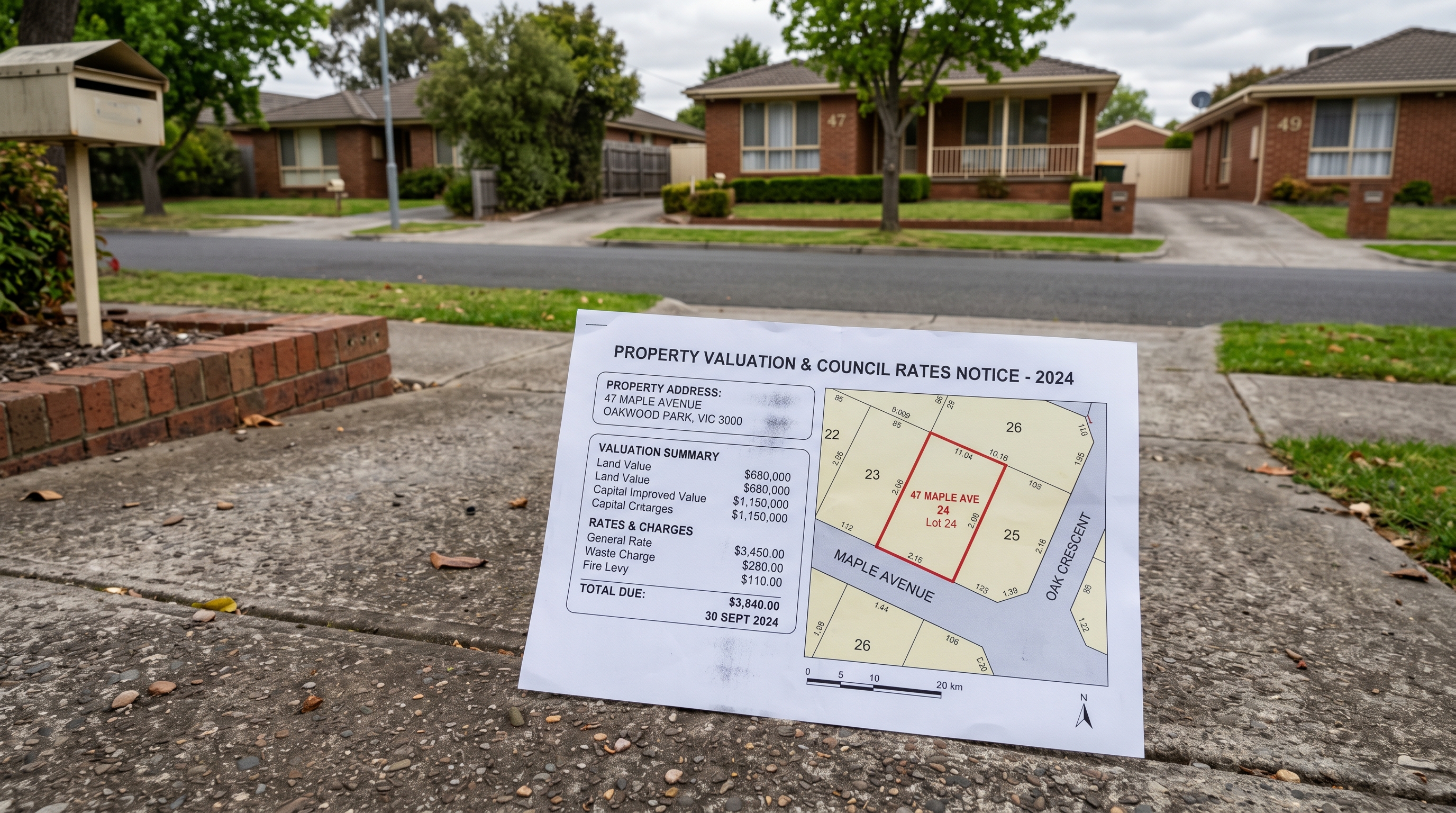
Several Western Australian councils are adopting Gross Rental Value (GRV) as the basis for calculating property rates, a move set to impact ratepayers across the state. Busselton, Kwinana, Chittering, and Swan are among the latest local governments to make this change, as evidenced by recent notices published in the WA Government Gazette. This follows similar decisions by Wanneroo, Rockingham, Armadale, and Augusta Margaret River, as reported previously by GovScanner, signalling a broader trend in how WA councils assess property taxes.
Understanding the Shift to Gross Rental Value
Gross Rental Value (GRV) is an estimate of the annual rent a property could reasonably be expected to earn if it were available for lease. It's a key metric used by local councils to determine the amount of rates payable by property owners. Unlike other valuation methods, such as Unimproved Value (UV), which considers only the land value, GRV takes into account the improvements made to the property. Landgate provides detailed information on GRV and its implications for property taxes. The shift to GRV can have varying effects on ratepayers, depending on the specific characteristics of their properties and the overall rental market conditions in their area. For example, properties with significant improvements relative to the land value might see an increase in their rates under GRV, while those with relatively low improvements might experience a decrease.
The recent gazette entries confirm the decisions made by these councils. The "Basis of Rates — City of Busselton" notice, for instance, explicitly states that the City of Busselton will use GRV as the basis for calculating rates on specified land. Similar notices were published for the City of Kwinana ("Basis of Rates — City of Kwinana") and the Shire of Chittering ("Basis of Rates — Shire of Chittering"). The City of Swan's decision, documented in "Basis of Rates — City of Swan — Section 6.28(1)", details how the change affects valuation methods for specific land parcels, effective March 18, 2026.
Want to follow this thread yourself? Search GovScanner's free dashboard, or connect GovScanner to your favourite AI so your model can explore WA government data for you.
Impact on Ratepayers: A Closer Look
The transition to GRV can bring about significant changes in the amount of rates individual property owners pay. It is important to note that rates are not solely determined by the valuation method but also by the rate in the dollar set by each council during its budget process. However, a shift to GRV can alter the relative distribution of the rate burden among different property types. For instance, commercial properties, which typically have higher rental values, might see their rates increase proportionally more than residential properties. Similarly, within the residential sector, properties with substantial improvements, such as renovated homes or those with additional dwellings, might experience a greater increase in rates compared to older, less-improved properties.
The impact of this change is not always straightforward, and ratepayers are encouraged to understand how GRV is calculated and how it applies to their specific property. Councils are expected to provide clear and accessible information to ratepayers about the transition, including details on how GRV is determined and how it will affect their rates. Ratepayers can also consult resources provided by Landgate and other relevant government agencies to gain a better understanding of the changes.
Council Perspectives and Justifications
While the gazette notices formally announce the changes, they don't provide extensive reasoning behind the councils' decisions. However, councils often cite factors such as fairness, equity, and alignment with best practices as justifications for adopting GRV. Some argue that GRV provides a more accurate reflection of a property's value and its capacity to generate income, leading to a fairer distribution of the rate burden. Others point to the administrative efficiencies and reduced costs associated with using GRV, as it eliminates the need for separate land valuations.
It's crucial to examine council meeting minutes and budget documents to gain a deeper understanding of the rationale behind these decisions. These records, accessible through council websites or by contacting the relevant local government, often contain detailed discussions and analyses of the potential impacts of the GRV transition. Furthermore, ratepayers can engage with their local councillors and participate in council consultations to voice their concerns and seek clarification on the changes.
The Cook Labor Government, led by Premier Roger Cook since June 2023, plays a role in overseeing local government operations, although the specific decisions regarding valuation methods rest with individual councils. The Local Government Act 1995 provides the legislative framework for local government in Western Australia, including the power to levy rates. While the State Government doesn't directly mandate the use of GRV, it provides guidance and support to councils in their valuation and rating processes. It is worth noting that the 42nd Parliament of Western Australia, with Michelle Roberts as the Legislative Assembly Speaker and Tjorn Sibma as the Legislative Council President, oversees any potential legislative changes affecting local government powers and responsibilities.
Broader Implications and Future Trends
The adoption of GRV by these councils reflects a broader trend towards modernising and standardising property valuation methods across Western Australia. As more councils consider transitioning to GRV, it's essential to analyse the cumulative impact on ratepayers and the overall property market. There is a potential for increased property tax revenue for local governments. However, this needs to be balanced against the potential for financial hardship for some ratepayers, particularly those on fixed incomes or those who own properties with significant improvements.
Monitoring these trends is crucial for understanding the evolving landscape of local government finance and property taxation in Western Australia. GovScanner will continue to track these developments and provide in-depth analysis of their implications for ratepayers and the broader community. Keep an eye on /gazette for more local government updates.
Never miss a planning scheme change. Set up free alerts at govscanner.com.au