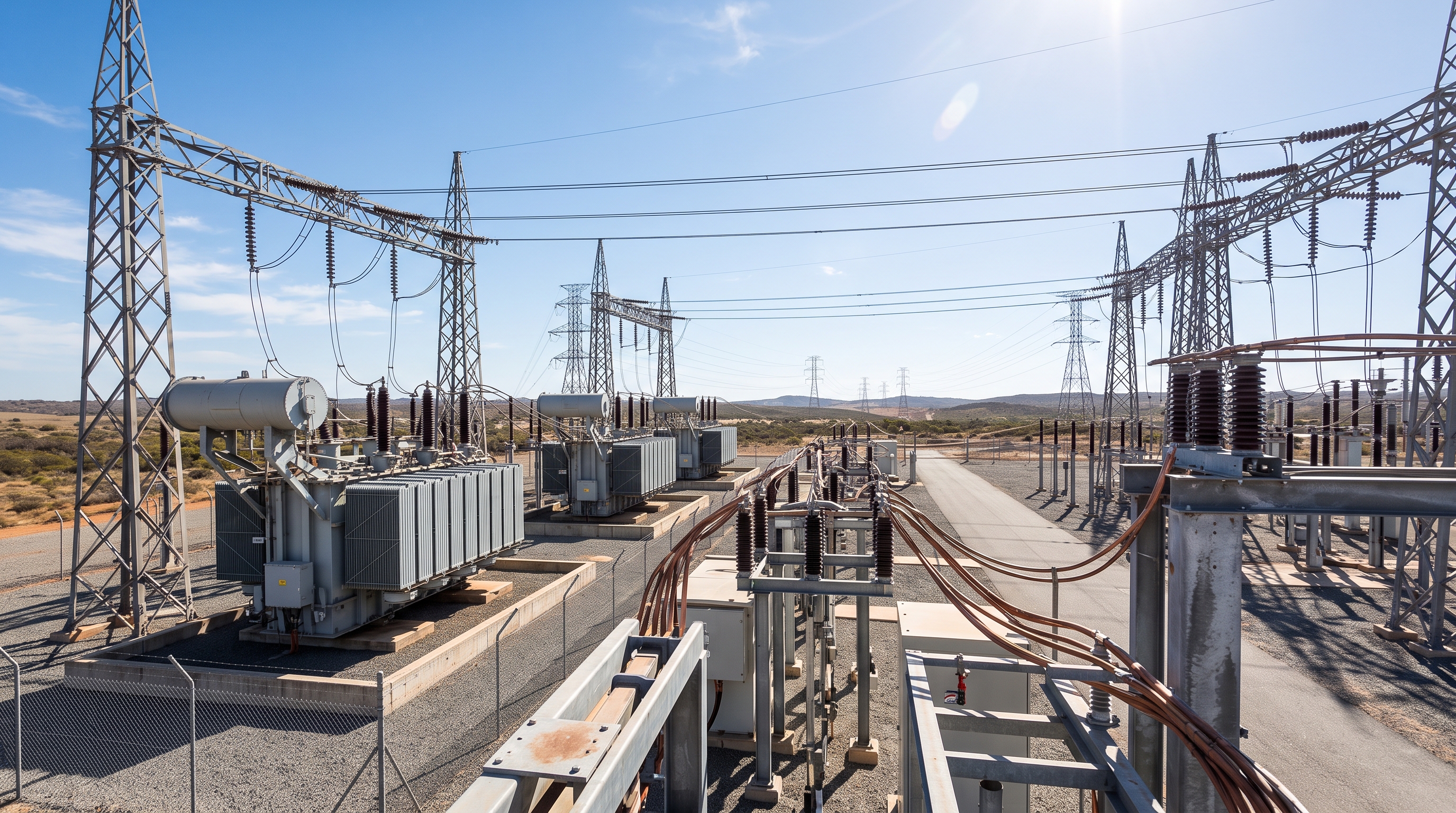
WA Electricity Network Access Now Comes With Capital Charges and Tax Clarity
As of August 19, 2026, the WA Government has officially sanctioned the establishment of a Capital Charges Scheme for electricity transmission system connections, marking a pivotal moment for the state's energy infrastructure. This legislative manoeuvre arrived alongside a parallel act clarifying the taxation of these new charges.
What happened
The Cook Labor Government has enacted the Electricity Industry Amendment (Capital Charges) Act 2026 and the Electricity Industry Amendment (Capital Charges) Act (No. 2) 2026. These acts introduce capital charges for accessing electricity transmission system services and explicitly address the tax implications, aiming for revenue neutrality for network service providers. The legislation received royal assent on August 19, 2026, following parliamentary debate on the Electricity Industry Amendment (Capital Charges) Bill 2026 which discussed the transition towards renewable energy and associated costs.
What this means for you
If you are an electricity network service provider in Western Australia, you will now be subject to a new Capital Charges Scheme for transmission system connections. This means new fees for accessing network services. For energy sector consultants and potentially large electricity consumers, this introduces a new cost structure that could influence project viability and future energy expenses. WA Treasury will also be managing the implementation and oversight of these new revenue streams.
Want to follow this thread yourself? Search GovScanner's free dashboard, or connect GovScanner to your favourite AI so your model can explore WA government data for you.
What this means for WA
This legislation signals a proactive approach by the WA Government to manage the financial implications of expanding and maintaining the state's electricity transmission infrastructure, particularly as the energy market evolves. The dual focus on establishing charges and clarifying their tax status suggests a move towards greater financial certainty and potentially new revenue streams for infrastructure development, while aiming to shield providers from unexpected tax liabilities. The inclusion of provisions for revenue neutrality indicates an attempt to balance new charges with existing operational economics. The Clean Energy Council has also made submissions on these proposed charges, underscoring the industry's engagement.
The numbers
The legislative push culminated on August 19, 2026, when both the Electricity Industry Amendment (Capital Charges) Act 2026 and its tax-clarifying counterpart, the Electricity Industry Amendment (Capital Charges) Act (No. 2) 2026, received royal assent. The latter act inserts section 129ZE into the Electricity Industry Act 2004, specifically addressing the tax classification of capital charges. This move was debated in parliament, with discussions in Hansard and committee reports highlighting the focus on renewable energy costs and tax classifications. The Appropriation (Capital 2026-27) Act 2026 and Appropriation (Recurrent 2026-27) Act 2026 also received assent on the same day, detailing government funding for the upcoming financial year.
Find your own data
Want to explore this thread yourself? Search the free GovScanner dashboard, or connect GovScanner directly to your favourite AI so your model can investigate WA government data for you. It is quick to connect, and it gives your AI raw access to structured WA government records instead of making it hunt through PDFs and webpages from scratch.